
Create a Wedding That Feels Like You with Unique Themes Personal Touches and Meaningful Rituals

A wedding should feel less like a performance and more like a room full of proof that two real people are choosing each other. The best weddings are not the ones that follow every trend. They are the ones where guests walk in and think, “This could only belong to them.”
That is the whole point of personal style. It gives the day a heartbeat. A polished colour palette and a beautiful venue can set the scene, but the details that linger are usually smaller and more personal: a family recipe on the dessert table, a ceremony reading from a favourite book, a playlist that sounds like road trips, kitchen dancing, and late-night memories.

Personal style matters more than perfect style
Perfection has a way of flattening a wedding. It can make every celebration look like the same mood board: pale florals, matching signage, identical favours, and a ceremony script that could belong to anyone.
A wedding with personality may be a little less predictable, but it is far more memorable. If the couple loves camping, the tables might be named after favourite parks. If they bond over old movies, the cocktail hour might feel like a small cinema lounge. If they cook together every Sunday, the menu can feature foods tied to those routines.
The strongest wedding design choices do not start with trends. They start with questions.
What colours make the couple feel at home?
What places shaped their relationship?
What hobbies do they actually spend time on?
What cultural, family, or spiritual traditions feel meaningful?
What do they want guests to feel, not just see?
Those answers lead to a celebration with roots.
A theme should tell a story, not trap the day
Themes get a bad reputation because people often think of them as costumes. A theme does not need to turn the wedding into a stage set. It can simply give the day a sense of direction.
A book-loving couple might create a literary dinner party with vintage hardcovers, bookmark place cards, and vows inspired by favourite passages. Gardeners might choose potted herbs as centrepieces, fresh local flowers, and seed packet favours. A couple who loves winter might lean into candlelight, velvet textures, evergreen branches, and hot cider.
The key is restraint. Pick a theme that reflects real life, then use it in a few strong places:
Invitations and stationery
Ceremony backdrop
Table names
Guest book idea
Menu or signature drinks
Music during cocktail hour
A theme works best when it feels like a thread, not a costume. Let it guide the mood without taking over the marriage part.

Favourite colours deserve more imagination than matching linens
Colour is one of the easiest ways to make a wedding feel personal, yet it is often reduced to bridesmaid outfits and napkins. That is a missed opportunity.
If the couple loves deep green, it can show up in velvet ribbon, foliage-heavy arrangements, glassware, and wax seals. If they love sunset tones, the flowers, candles, fruit, and lighting can build a warm coral, amber, and rose palette. If they prefer bold colours, there is no rule that says a wedding must whisper. Cobalt blue, marigold, fuchsia, and cranberry can look joyful and elegant when used with confidence.
A good approach is to choose three layers:
A main colour
This sets the overall mood.
A supporting colour
This adds depth and keeps the palette from feeling flat.
A surprise accent
This gives the day personality, such as chartreuse shoes, blue taper candles, or hand-painted table numbers.
Colour should feel connected to the couple’s taste, not chosen only because it photographs well.
Hobbies can become warm, natural wedding details
A hobby does not need to become the whole theme. In fact, small touches often feel more charming.
Food lovers can build a grazing table around favourite cheeses, local preserves, and late-night snacks they actually crave. Music lovers can name tables after albums or ask guests to suggest songs for an anniversary playlist. Hikers can include trail mix favours, mountain-inspired stationery, or a ceremony program with a map design. Gamers can create a relaxed lounge with board games during cocktail hour.
These details work because they invite guests into the couple’s everyday joy.
That said, balance matters. Not every shared interest needs a sign, prop, or station. Choose the hobbies that tell a clear story or create a better guest experience. If something feels forced, leave it out.

Traditions should be chosen with care, not obligation
Tradition can be beautiful. It can connect generations, honour heritage, and add emotional weight to the day. It can also feel hollow when included only because someone says, “That is how weddings are done.”
The better path is thoughtful selection. Keep the traditions that feel alive. Adapt the ones that need updating. Release the ones that do not fit.
A couple might include a tea ceremony, a handfasting, a family blessing, a candle lighting, a cultural dance, or a song passed down through generations. They might walk down the aisle together, invite both families into the ceremony, or replace a bouquet toss with a toast to loved ones.
Meaningful rituals do not need to be long. They need to be honest. A private vow exchange before the ceremony can be as powerful as a public ritual. A moment of silence for absent loved ones can say more than a page of explanation.
The main counterargument is that personal weddings are harder to plan
There is some truth here. A highly personal wedding can take more thought than choosing a standard package. Custom vows, handmade decor, family recipes, and unusual layouts may need extra planning.
But personal does not have to mean complicated. It means intentional.
Choose a few standout details, then let the rest stay simple. A wedding can feel deeply personal with:
A ceremony that tells the real story
A menu tied to favourite meals
Music that sounds like the couple
Decor that uses meaningful objects
One ritual that carries emotional weight
That is enough. Guests do not need 40 custom elements. They need a clear feeling of connection.
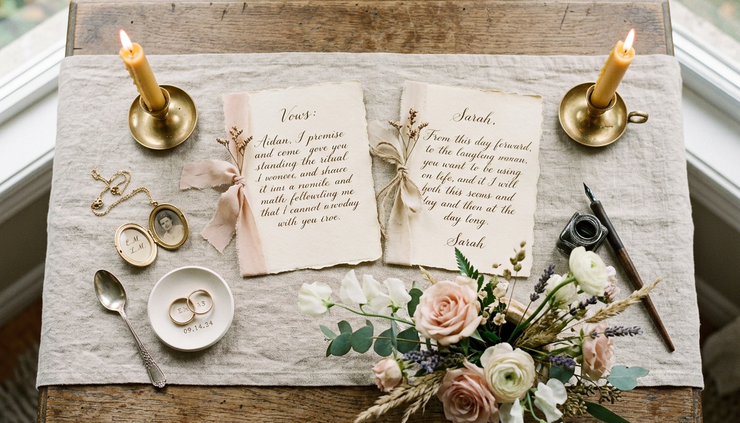
Make the wedding unmistakably yours
The most moving weddings do not ask, “What will impress people?” They ask, “What feels true?”
That question changes everything. It gives permission to serve pie instead of cake, wear colour instead of white, honour two cultures in one ceremony, skip formal dances, include pets in the portraits, or build the reception around comfort food and favourite songs.
A wedding is not a test of taste. It is a celebration of commitment, community, and personality. So think beyond the expected. Bring in the colours that lift your mood, the hobbies that fill your weekends, the rituals that honour your roots, and the details that make people smile because they recognize you in them.
Your wedding does not need to look like anyone else’s. It should feel like coming home to your own life, surrounded by the people who know why that matters.
Comments