
Destination Wedding Benefits and Planning Tips for a Memorable Celebration

A wedding can become more than a single day on the calendar. In the right place, it can feel like a shared adventure, a family reunion, a vacation, and a deeply personal ceremony all at once.
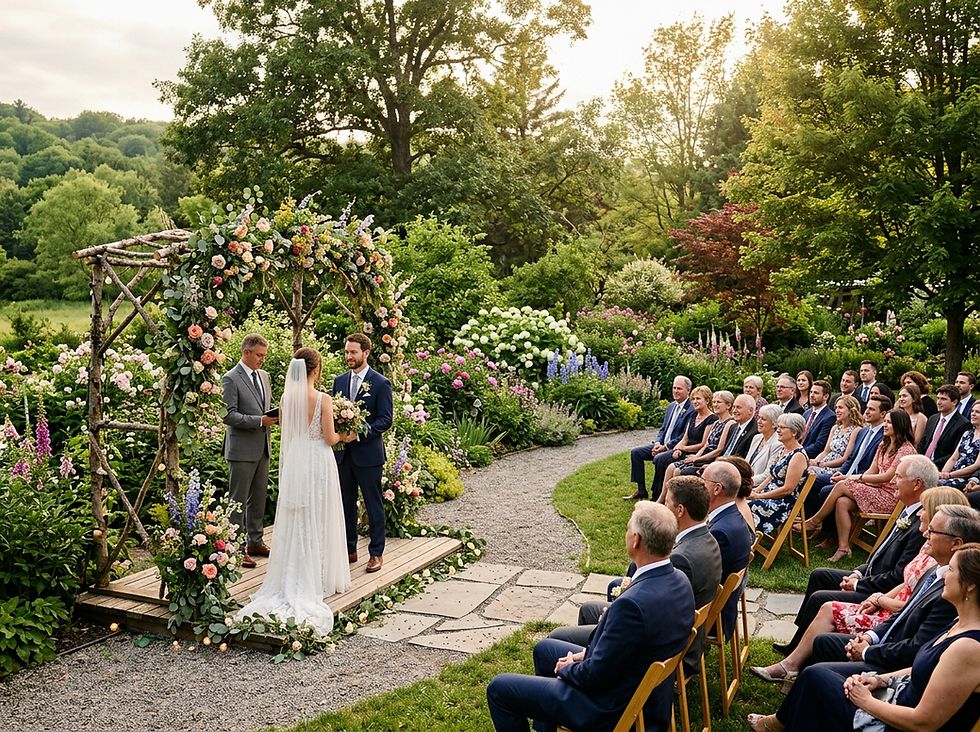
That is the appeal of a destination wedding. It gives couples a chance to exchange vows somewhere meaningful, beautiful, or simply different from home. Think oceanfront terraces, vineyard estates, mountain lodges, historic courtyards, tropical gardens, or quiet lakeside resorts. The setting does part of the storytelling before anyone walks down the aisle.
Still, a destination wedding works best when the romance comes with a clear plan. Travel, timing, budgets, guest comfort, local customs, and vendor coordination all need thoughtful attention. With the right approach, the result can be relaxed, intimate, and unforgettable.

A destination wedding creates a setting guests will remember
One of the biggest destination wedding benefits is the setting itself. A local banquet hall or hotel ballroom can be lovely, but a destination location adds a sense of occasion that starts before the ceremony.
The place becomes part of the memory.
A cliffside ceremony at sunset feels different from a Saturday evening reception at home. A small dinner under string lights in an old town square creates a different mood than a large ballroom meal. A mountain lodge with snow outside the windows can feel warm and private in a way that is hard to recreate elsewhere.
The location can also reflect the couple’s story. A coastal town where they took their first trip together, a European city tied to family roots, a quiet island they both love, or a Canadian wine region with beautiful views can all add meaning.
A strong destination does not need to be far away. For some couples, “destination” means a short flight to the Caribbean or Mexico. For others, it means a ferry ride to Vancouver Island, a weekend in the Laurentians, or a lakeside resort a few hours from home. The key is that the setting feels intentional.
A memorable location can also reduce the need for heavy décor. When the view is strong, design can stay simple. Fresh flowers, candles, linens, and a thoughtful tablescape may be enough. That can help the celebration feel elegant without feeling overdone.
The guest list often becomes more intimate
Destination weddings tend to attract a smaller group. That is not a drawback for many couples. In fact, it can be one of the best reasons to choose one.
A smaller guest list creates more time with each person. Instead of rushing through hundreds of quick hellos, couples can spend full meals, excursions, and quiet moments with the people who made the trip.
This can change the whole feeling of the wedding. Guests often arrive a day or two early, settle in, and get to know one another before the ceremony. By the time the wedding day arrives, the group feels connected.
An intimate guest list can also make planning easier in some areas. There may be fewer centrepieces, fewer meals, fewer seating assignments, and less pressure to follow every traditional expectation. The celebration can feel more personal because there is more room to make choices based on what actually matters.
That said, smaller does not always mean cheaper. Flights, accommodation, resort fees, vendor travel, and multi-day events can add up. The benefit is more about focus than automatic savings. Couples can often put their budget toward quality experiences rather than sheer guest count.
A destination wedding can work especially well for couples who want:
A relaxed, vacation-like atmosphere
More time with close family and friends
A naturally beautiful ceremony location
A wedding that feels less formal and more personal
A smaller celebration without the awkwardness of cutting a large local list
The experience can last longer than one day
A traditional wedding often happens in a blur. Guests arrive, attend the ceremony, enjoy the reception, and leave. A destination wedding usually stretches the celebration across several days.
That extra time can make the wedding feel richer.
There might be a welcome cocktail hour, a beach day, a group hike, a rehearsal dinner, a casual brunch, or a farewell meal. These do not need to be elaborate. A simple meet-up at a local café or a sunset toast can give guests a chance to connect without turning the whole trip into a packed itinerary.
The best destination weddings balance shared events with free time. Guests should not feel scheduled from morning to night. They may want to explore, rest, swim, shop, or spend time as a family.
A helpful rhythm might look like this:
Wedding trip moment | Good planning approach |
Arrival day | Keep it light with a casual welcome gathering |
Day before the wedding | Offer one optional group activity |
Wedding day | Leave the morning calm and unhurried |
Day after the wedding | Host a relaxed brunch or farewell meet-up |
This structure gives the trip shape without turning it into a tour package.
For couples, these shared moments often become just as meaningful as the ceremony. The late-night conversations, the group photos after an excursion, the quiet breakfast with parents, and the walk through a local market can become part of the wedding story.
Choosing the right destination takes more than picking a pretty view
The best destination is not always the most dramatic one. It is the place that fits the couple, the guests, the season, and the budget.
Start with the experience you want. A beach resort feels different from a historic city, a mountain retreat, or a countryside estate. Each one comes with its own pace, costs, travel needs, and weather patterns.
A good destination should meet several practical needs.
Travel should be realistic.
If most guests are flying from Canada, look at flight availability, total travel time, layovers, and airport transfer distance. A beautiful venue can become stressful if guests need three flights, a ferry, and a long drive to get there.
The climate should match the wedding plans.
Study the typical season, not just the average temperature. Rainy periods, hurricane season, extreme heat, high winds, and chilly evenings can affect comfort, décor, photography, and backup plans.
The venue should support the guest list.
Ask about ceremony sites, reception spaces, accessibility, washrooms, curfews, lighting, sound limits, and wet weather options. If elderly relatives, children, or guests with mobility needs are attending, those details matter.
The legal requirements should be clear.
Marriage rules vary by country and region. Some couples choose to complete the legal paperwork at home in Canada, then hold a symbolic ceremony abroad. Others prefer to marry legally at the destination. Either path can work, but paperwork, translations, waiting periods, and documents must be confirmed early.
A beautiful destination is only worth it if the logistics support the kind of celebration you want.

A clear budget keeps the celebration enjoyable
Destination weddings can fit many budgets, but they need honest planning from the start. Costs often fall into different categories than a local wedding, so a simple line-by-line budget helps avoid surprises.
Common budget areas include:
Venue rental or wedding package
Ceremony setup and reception meal
Photography and video
Florals and décor
Hair and makeup
Music or entertainment
Wedding planner or coordinator
Travel and accommodation for the couple
Vendor meals and tips
Welcome event or farewell brunch
Legal paperwork or translation costs
Shipping or luggage fees for wedding items
Couples should also decide what they will cover for guests. There is no single rule. Some couples pay for a welcome dinner or group transportation. Others arrange hotel blocks and let guests handle their own flights and rooms. The key is to communicate early and clearly.
For a Canadian couple, it helps to build the wedding budget in Canadian dollars, even if vendors quote in another currency. Exchange rates can shift, so leave room for changes. Credit card foreign transaction fees, deposits, and international wire fees can also affect the total.
A contingency fund is especially useful for destination weddings. Weather changes, extra transportation, last-minute rentals, or luggage issues are easier to handle when there is a financial buffer.
Here are a few practical ways to manage costs without losing the magic:
Choose a naturally beautiful location that needs less décor
Consider a weekday wedding if the venue offers lower rates
Keep printed items minimal and digital where possible
Limit hosted events to the moments that matter most
Use local flowers that are in season
Ask vendors what is included before adding upgrades
A destination wedding does not need to feel bare to stay on budget. It needs priorities. Spend on the pieces guests will feel and remember, such as food, comfort, music, photography, and the setting.
Guest travel works best with clear communication
Guests need more information for a destination wedding than they do for a local reception. The earlier details are shared, the easier it is for people to plan time off, save money, arrange childcare, renew passports, and book flights.
Send save-the-dates well in advance. For international weddings, many couples give guests close to a year’s notice when possible. A wedding website can be especially helpful because it keeps travel details in one place.
Include the essentials:
Destination and venue area
Wedding date and approximate schedule
Recommended airports
Hotel block information
Transportation options
Passport and visa reminders
Dress code with climate notes
Local currency and payment tips
RSVP deadline
Contact person for travel questions
If the wedding is at a resort, ask whether guests must stay on-site to attend events. Some resorts charge day passes or outside guest fees. Guests should know that before they book elsewhere.
Transportation deserves careful thought. If the venue is far from the airport or spread across multiple locations, arranged shuttles can reduce stress. For remote venues, shared transportation can also improve safety after the reception.
Be considerate with guest spending. Offer a range of accommodation options when possible. If there is a hotel block, clarify the booking deadline, cancellation policy, and what is included. Guests will appreciate direct, practical information more than decorative language.
Local vendors can make the wedding feel authentic
Local vendors are one of the strongest assets in destination wedding planning. They know the climate, the venues, the roads, the timing, the customs, and the common challenges.
A local planner or coordinator can be especially valuable. They can recommend trusted florists, musicians, officiants, rental companies, hair stylists, makeup artists, and transportation providers. They can also help manage language barriers and on-site decisions when the couple is not nearby.
Local vendors often know what works best in that setting. A florist may suggest blooms that hold up better in heat. A caterer may recommend regional dishes that travel well from kitchen to table. A photographer may know the best light at the ceremony site. A musician may know which songs fit the local style and the reception mood.
Cultural elements can also make the celebration more meaningful. This should be done with respect, care, and context. The goal is to honour the place, not use local culture as decoration.
Thoughtful options might include:
Serving a regional dish or dessert
Hiring local musicians for part of the evening
Choosing flowers grown nearby
Offering a local welcome gift
Including a short explanation of a cultural tradition
Hosting a group outing led by a local guide
Ask vendors what feels appropriate. If a tradition has religious, historical, or cultural significance, get guidance before including it. Respectful choices can make the wedding feel grounded in its location rather than simply placed there.
A strong planning timeline reduces stress
Destination weddings reward early decisions. Once the location and date are confirmed, many other pieces become easier to manage.
A broad timeline can help:
12 to 18 months before
Choose the destination, visit if possible, book the venue, set the budget, and confirm major travel details.
9 to 12 months before
Send save-the-dates, reserve room blocks, book key vendors, launch the wedding website, and review legal requirements.
6 to 9 months before
Plan guest transportation, confirm décor direction, choose attire suitable for the climate, and create the trip schedule.
3 to 6 months before
Finalize menus, ceremony details, music, floral plans, and guest counts. Share updated travel reminders.
1 to 3 months before
Confirm payments, timelines, seating, vendor arrival times, weather plans, and packing lists. Send guests the final itinerary.
A site visit can be very helpful, but it is not always possible. If travel is not realistic before the wedding, ask for video tours, floor plans, recent photos, and clear written confirmations. A trusted planner can walk through the space and flag issues that may not show in polished venue photos.
Do not leave the backup plan vague. Outdoor weddings need a rain option that couples are happy with, not just willing to accept. Ask when the weather call is made, who moves the setup, where the ceremony goes, and whether the backup space affects the reception.
The best destination weddings feel thoughtful, not complicated
A destination wedding does not need to be extravagant to be memorable. The most successful ones feel considered. The destination suits the couple, the guests understand the plan, the budget is realistic, and the local setting is treated with respect.
Choose a place with meaning or natural beauty. Keep the guest experience clear and comfortable. Work with local vendors who know the area. Build in time to enjoy the people who travelled to celebrate.
When those pieces come together, the wedding becomes more than an event. It becomes a shared memory rooted in a place, a feeling, and a few days everyone will talk about long after they return home.

Comments